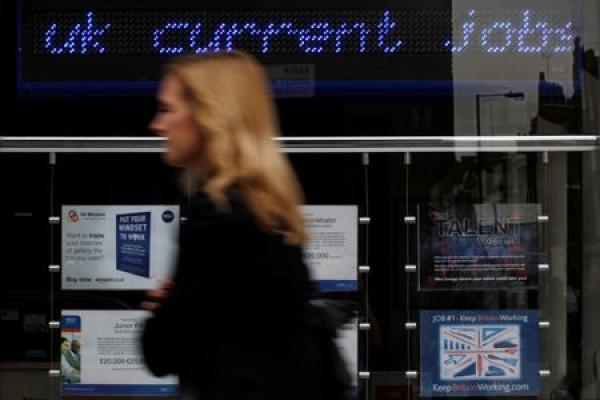
The British labor market remained tight at the start of 2019, with the jobless rate hitting its lowest level in 44 years and wage inflation rising at the fastest pace since the financial crisis, despite concerns over the U.K.’s imminent exit from the European Union.
The jobless rate unexpectedly fell to 3.9% in the three months to January, its lowest level since January 1975, while the number of people in work rose 222,000, the largest monthly increase since 2015.
Average earnings, excluding bonuses, continued to rise at their fastest pace in a decade, jumping 3.4% in the three months to January. That was above forecasts for a 3.2% rise.
The strong numbers, which were unexpectedly released 12 minutes ahead of the scheduled time, did little to move the pound, being overshadowed by the uncertainty surrounding the Brexit process ahead of the March 29 deadline.
Given the lack of clarity surrounding the U.K.’s departure from the EU, the solid labor market data is unlikely to sway expectations that the Bank of England will leave its monetary policy unchanged when it announces its interest-rate decision on Thursday. However, it may incline the Bank to raising rates soon, if the tail risk of a disorderly Brexit can be avoided.
Before the approach of Brexit and the broader global slowdown started to weigh on the economy, the BoE had indicated that ‘several’ interest rate increases may be needed to bring policy back to a neutral rate. Governor Mark Carney softened his language at his last press conference, saying that interest rates could go either way.